Best Tattoo Numbing Cream for Sensitive Skin : Guide
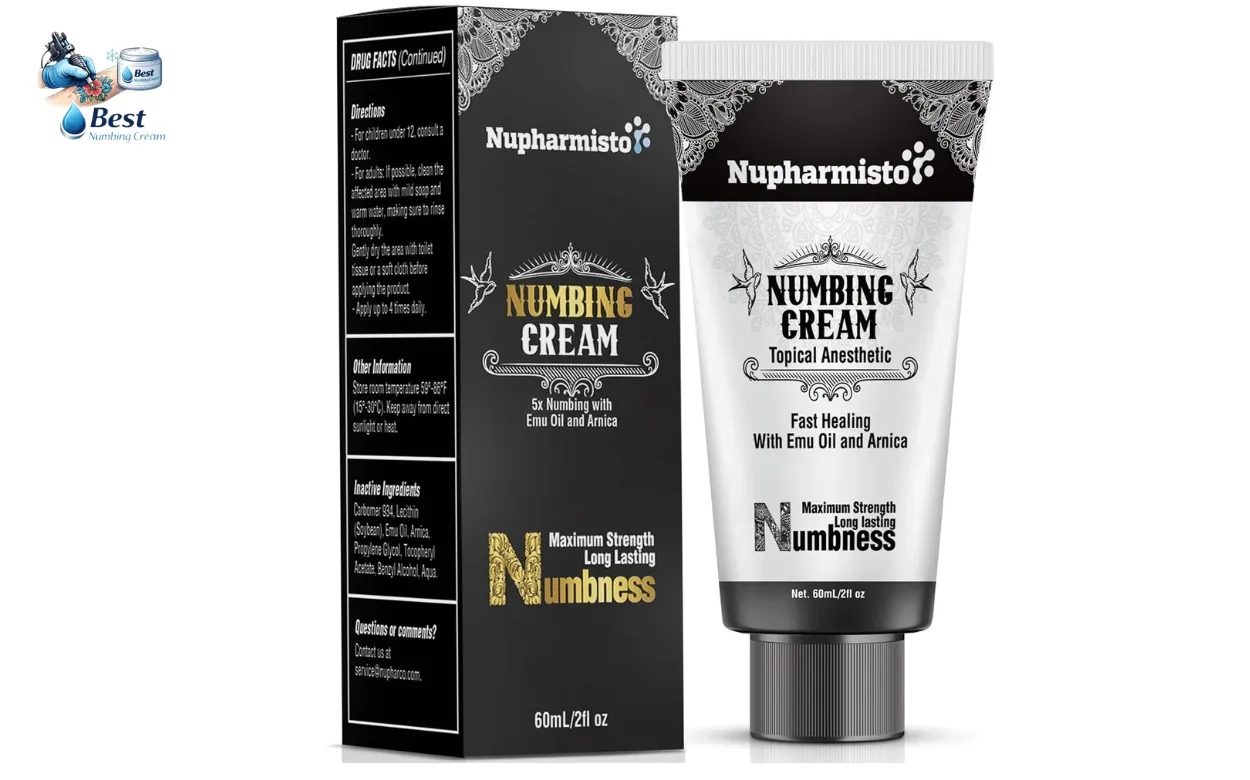
Discover the best tattoo numbing cream for sensitive skin. Reduce pain, prevent irritation, and enjoy a comfortable, safe, and smooth tattoo experience.
The act of tattooing can be a thrilling and fun process, and in fact, most times, the thought of being tattooed sends many people trembling. The process of tattooing is painful in nature, particularly where sensitive parts of the body are concerned . Fortunately, it has beome more common to use the tattoo numbing creams to reduce pain. These are topical anesthetics which are designed to make the tattoo experience more smooth and comfortable even to people with sensitive skin.
The action of numbing creams is to temporarily disconnect the signal of pain to the brain. When used correctly, they enable you to ride through long sessions without much breaks and have a more enjoyable experience as a tattooist. The sensitivity of skin is particularly important to people that should select the creams that will work swiftly and be hypoallergenic in order to use those products on sensitive parts of the body.
Understanding Numbing Creams
Numbing creams are topical anesthetics aimed at decreasing or removing pain during such procedures as tattooing, piercing, microblading, and cosmetic procedures. Some of the ingredients found in these creams include lidocaine, prilocaine or benzocaine. These substances are effective by blocking nerve endings so that they are not able to transmit the pain to the brain.
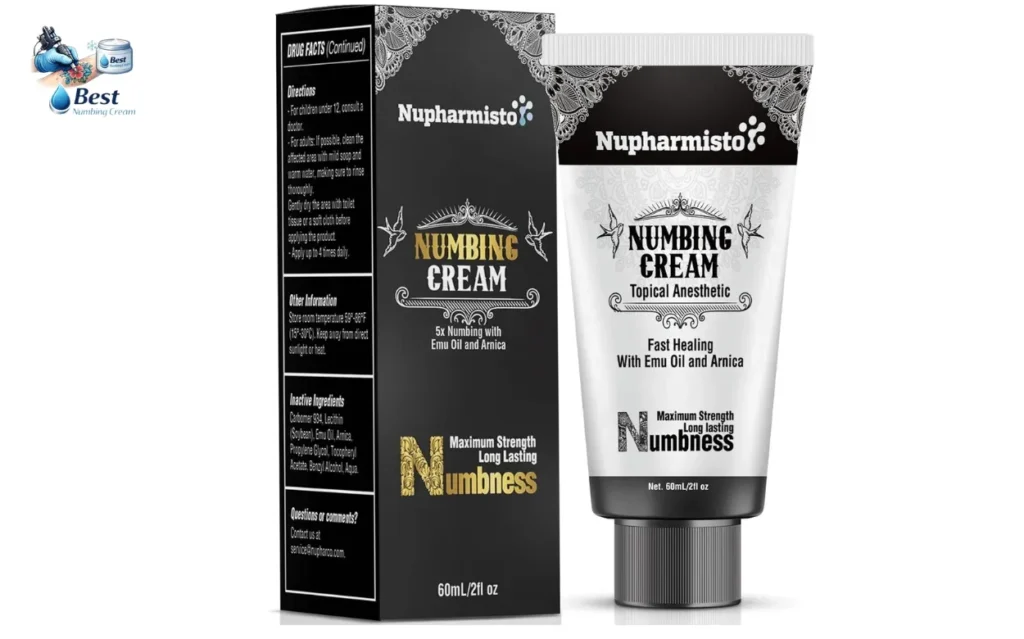
The main aim of these creams is to give momentary relief to soreness of the skin and at the same time keep the skin open to the process. In the case of tattooing, this may translate to less time wasted, lesser stress by the customer and the tattooist, and easier ink application. Learning about the mechanism of action of numbing creams is vital to the safe and effective use of numbing creams.
Why Use Numbing Cream?
The primary benefit of a numbing cream is the high amount of pain that will be reduced. The tattoo needles stab at the skin causing pain or even unbearable feelings to some individuals. A quality numbing cream will reduce the pain and enable the client to relax leaving the whole tattooing experience to be more fun.
The other rationale to apply numbing cream is that it will avoid involuntary activities during the session. A client can flinch or move when in pain, which can interfere with the accuracy of the tattoo. The nervous system is soothed by the numbing creams thus creating stillness, thus enabling the artist to be more precise and detailed. This eventually leads to better quality of a tattoo.
Choosing for Sensitive Skin
In the case of choosing a numbing cream to apply to sensitive skin, one should pay attention to hypoallergenic compositions. The delicate skin easily reacts to unpleasant chemicals or perfumes or preservatives. A cream that is meant to be used on a sensitive skin will not include such irritants and will instead employ skin-friendly ingredients such as aloe vera, vitamin E, natural moisturizers, or natural oils.
Moreover, it is better to wear creams that do not leave a greasy film after wearing. They ought to be able to offer quick relief without causing any likelihood of irritation. Gentle anesthetics are also desirable since they produce enough numbness without producing skin reactions, which may disrupt the tattoo procedure.
How to Apply Numbing Cream
It is important to apply it properly to achieve maximum effectiveness. Wash the area using a little mild soap and warm water to get rid of dirt, oils and dead skin cells. This action is to make sure that the cream is absorbed and that it offers even anesthesia. That way Best Tattoo Numbing Cream for Sensitive Skin crefully choosed.
Then use lots of cream on the whole part of the tattoo. It is expected to be on the skin and not to be fully applied like lotion. Plastic wrap covers the cream and warms it to ensure that it does not dry up. This increases absorption and makes sure that the numbing effect is uniformly distributed. Time is crucial and the average cream takes 25 to 50 minutes to absorb then the tattoo can begin.
Timing and Duration
When used a long time before the procedure, it is possible to use numbing creams. The cream is supposed to stay on for a minimum of 30 to 60 minutes prior to the start of the tattoo session. This enables the agents of action to enter the skin and start to inhibit pain signals successfully.
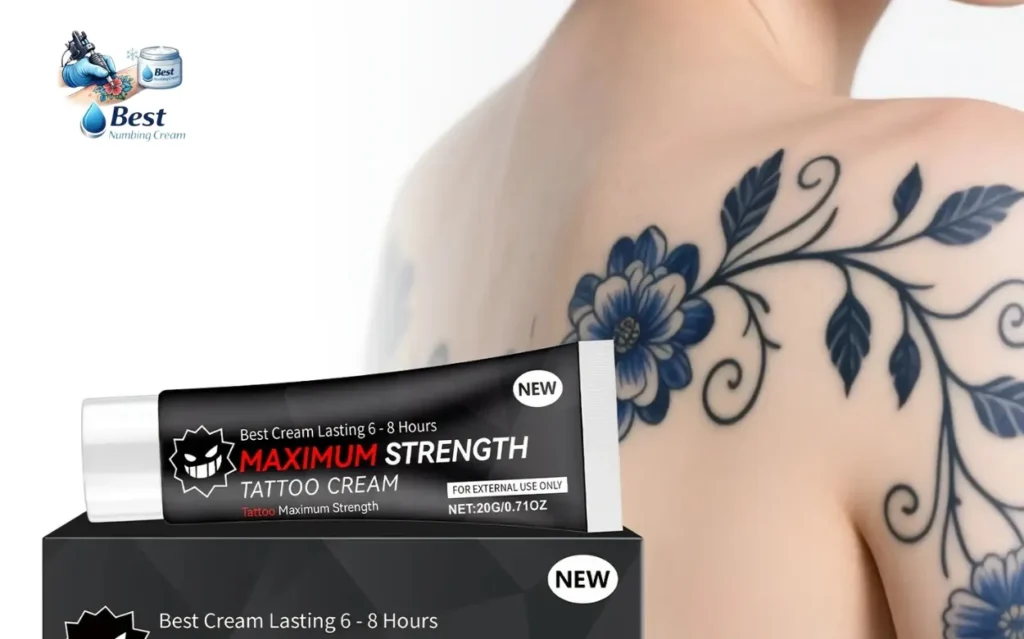
Numbness is a condition that lasts different periods, depending on the formulation and the region of application. The duration of most creams is three to five hours of relief and that is sufficient in the case of small to medium sized tattoos. In more prolonged sessions, it may be necessary to reapply in order to ensure that the procedure remains comfortable. Timing instructions are very important as they lead to the best results.
Safety Considerations
Numbing creams are not harmful but have some precautions to be observed. These are externally used products which should not be placed upon broken or inflamed skin. Do not touch the eyes and mucous membranes, and do not leave the cream in the hands of children.
People who have heart disease, hypertension, diabetes, or thyroid problems, urinary issues, etc., are also advised to consult a healthcare provider prior to use. These creams are also not recommended among pregnant or breastfeeding persons. Patch testing on a small patch of skin 24 hours prior to full application is suggested as a measure of checking allergic reactions or sensitivity.
Benefits Beyond Pain Relief
Other than alleviating pain, numbing creams have other advantages. Most of the formulations have calming substances that hydrate and guard the skin. This may aid in lessening the redness, swelling, and irritation during and after the tattooing session.
The tranquillising effect of these creams also makes the first-time tattoo clients less nervous. A client is more likely to be relaxed and will sustain a longer session hence more accurate and detailed tattoo. Numbing creams help to reduce physical pain and psychological stress, which improves the tattoo experience.
Avoiding Common Mistakes
In order to make numbing cream more effective, one should avoid several errors. Reducing the numbing effect can be achieved by applying insufficient cream, failing to cover the area covered, or initiating the session too early. On the same note, the longer the cream is left on or the larger the area it is applied, the higher the chances of irritation are.
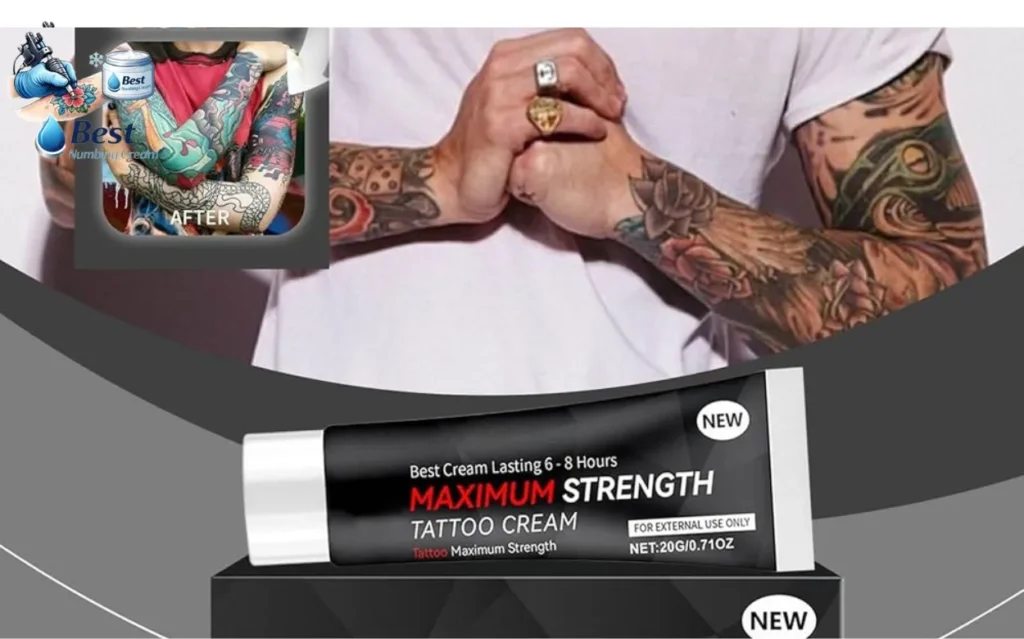
Constantly obey directions on the level of thickness, timing and coverage. In case the tattoo session is long, one might want to divide the application into parts, and apply it or remove it as the necessity appears. This guarantees uninterrupted numbness without any safety or skin damage.
FAQs About Best Tattoo Numbing Cream for Sensitive Skin
Final Thoughts
Numbing creams are a useful item to a person who wants to experience a comfortable tattooing experience particularly those who have sensitive skin. When used properly, they can be very effective in relieving pain and at the same time keep clients relaxed and still during the session. The most effective results can be obtained with the help of hypoallergenic, mild formulations without irritation and adverse reactions.
Clients will be able to fully experience their tattoo experience by learning how to apply it properly, at the right time and taking necessary precautions. Numbing creams are not only a way to make the tattooing process more comfortable, but also help improve the quality of the tattoo and make the process more enjoyable, which is why they are now a mandatory element of contemporary tattooing.