How Long Does Tattoo Numbing Cream Last?
Learn how long tattoo numbing cream lasts, what affects its duration, and why lidocaine creams wear off differently for each person.
The duration of tattoo numbing cream is one of the most frequently posed questions by people when going to a tattoo place. I have observed that this is mostly as a result of fear of pain reoccurring within the course of the session. It is not always realistic that numbing cream should work all through the tattoo as many people would expect. Time varies according to ingredients and mode of application and the response on the skin by individuals. This can be misunderstood and thus become a disappointment or misused.
The knowledge of the duration of tattoo numbing cream allows setting realistic expectations and avoids unsafe reuse. Numbing creams are not aimed at making the physical experience permanently numb. Their use is predictable in their effects. This paper describes the average time frame, what cuts or adds to numbness and why not all people can achieve the same. It is aimed at clarity, and not excessive promises of comfort.
How Tattoo Numbing Creams Work
The numbing creams of tattoos act by preventing the skin pain signals temporarily. The majority of them use local anesthetic drugs like lidocaine. These substances deaden nerve endings to the surface. The effect starts after the cream enters the skin.
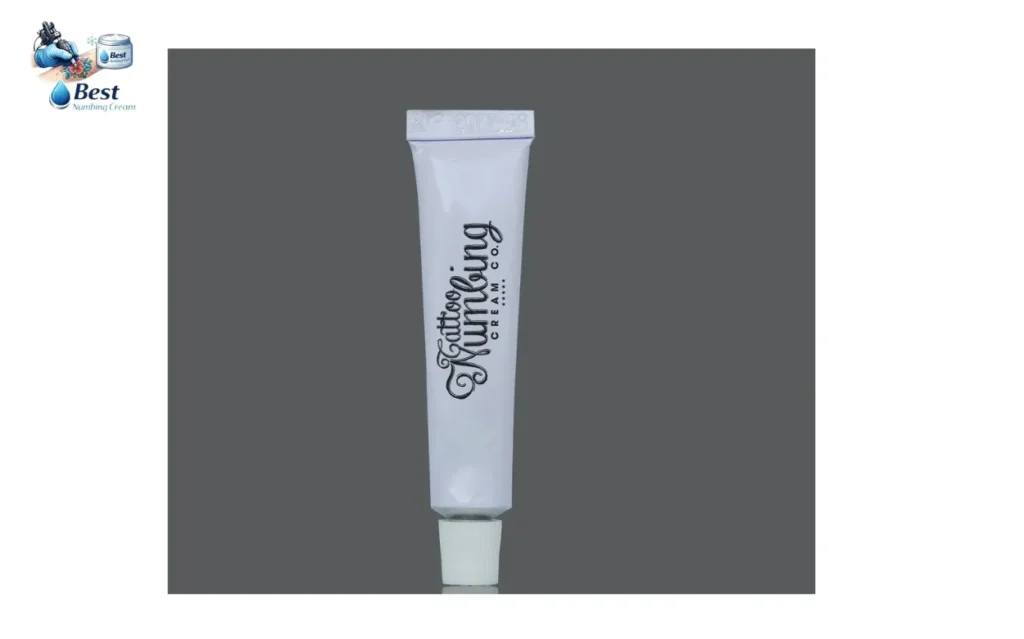
In my case, humans usually believe that numbing takes place immediately. As a matter of fact, it is slow to turn on. To be effective, the cream has to absorb well. The duration of numbness depends on this absorption part. This knowledge of the mechanism justifies the importance of timing.
Typical Duration of Numbing Effects
Tattoo numbing cream takes between one and four hours on average. The most intense numbness is experienced at the initial stage. Subsequently, feeling slowly comes back. The fading does not occur abruptly but gradually.
I have found that most of the users endure maximum numbness of between one to two hours. The milder numbness has a more protracted duration. Time taken depends on strength of cream. This natural decline should be associated with expectations. It is numbness which is not meant to be permanent.
Lidocaine Concentration and Duration
The concentration of Lidocaine is a significant factor in the duration of numbing cream. A higher percentage is likely to give more powerful and long-term impacts. Nonetheless, it is more dangerous when combined with other substances because of high concentration. Balance matters.
In my experience, there is always a view that stronger is always better. That’s not always true. Increased concentrations demand less lenient limits of application. Time only helps when applied in the right way. Effectiveness as well as safety are influenced by concentration.
Application Method and Timing
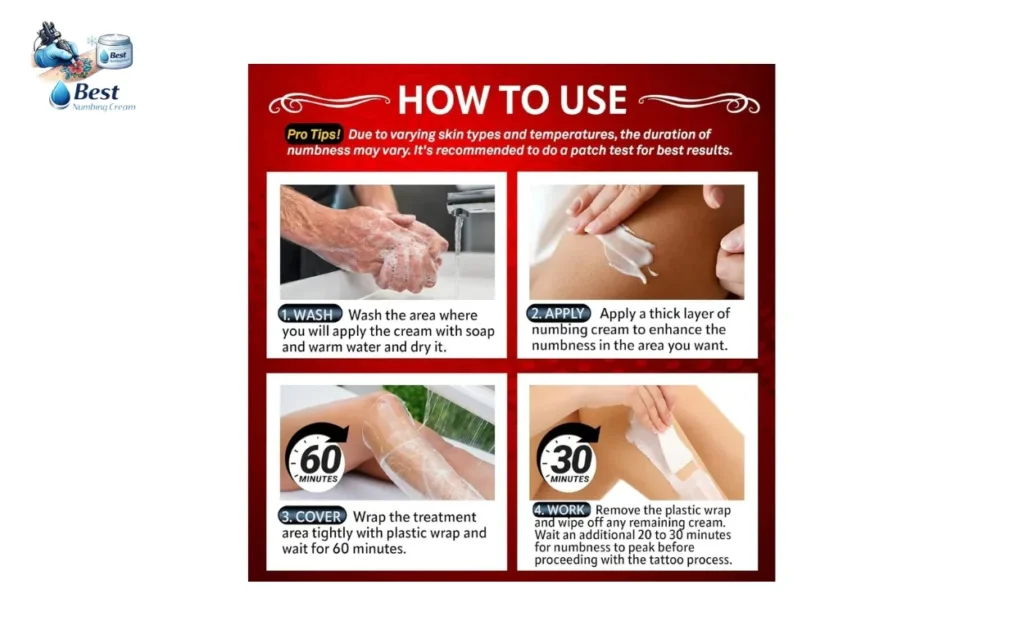
The application of the cream will highly determine its longevity. Layers that are thick and uneven do not necessarily result in better work. It is more important to be covered and at the right time. Occlusion may have an effect on absorption.
I have observed that there is less efficiency in haste application. It is better to have a sufficient pausing time prior to the beginning of the tattoo to enhance the time of numbness. Ineffective timing reduces the effect. The brand is not always important, but the method of application is. Technique has effect on life expectancy.
Skin Type and Individual Response
The skin of everybody reacts to numbing creams differently. Absorption depends on such factors as skin thickness, skin sensitivity, and circulation. There are those who respond to anesthetics quicker than others. This results in fluctuation in time.
Personally, I have never encountered two clients who have the same numbness. What takes three hours to one individual might wear out in ninety minutes to another. The reaction of individuals is unpredictable. Such variation is normal and is anticipated. Skin biology matters.
Tattoo Placement and Body Area
The length of numbing cream depends on the sentinel area that is tattooed. Areas having thinner skin or having more blood flow absorb and lose anesthetic more. The pain may be detected earlier in highly sensitive areas. Location matters.
I have also found that numbness in parts such as ribs or hands reduces faster. Numbness is retained longer in thicker areas of the skin. The position of the body has an impact on time. It is a factor that is missed out on when organizing schedules. Anatomy plays a role.
Tattoo Process and Skin Trauma
Numbing is influenced by the actual process of tattooing. Numbness may be faster to wear out with repeated skin puncture. Dilated blood flow accelerates the breakdown of anesthesia. The trauma is debilitating in the long run.
Personally, numbing cream is most effective at the beginning of the sessions. With the continuation of tattooing, sensation slowly comes back. This is normal. It is unrealistic to expect total numbness. The process alters skin response.
Reapplication Myths and Risks
Numbing cream is widely believed to be able to safely prolong numbness on reapplication. This is dangerous, and particularly on fissured skin. The absorption is much higher following tattooing. Recycling poses safety issues.
I have been observing that misuse is usually accompanied by the fear of pain recurrence. Reuse of numbness is not necessarily effective. Instead, it exposes one to more side effects. Knowledge of boundaries acts as a deterrent to dangerous personality. More is not safer.
How Long Until Sensation Fully Returns
The feeling is regained slowly as soon as the numbing wears off. It may need to take one to two hours after maximum effect. During this period, tingling or slight discomfort is likely to be experienced. Abnormal sensation normalizes.
In my experience, there is delayed soreness as numbness reduces. This is normal and temporary. Acute pangs of pain are rare. Slow recovery aids body acclimatization. The process of recovery is timely.
Factors That Shorten Numbing Duration
Numbing cream has a number of factors that reduce its duration of use. Ineffective application, sweating, movement and excessive circulation will decrease the effectiveness. Pain perception is also prone to stress and anxiety. Environment matters.
I have observed that heat and movement increases fading. Remaining composed does not hurt effect. Minor details have an effect on time. The consciousness enhances results. Time is not predetermined, it is subject to circumstances.
Managing Expectations for Long Sessions
Numbing cream must be considered as a low-level intervention in case of long tattoo. It lessens the pain in the beginning but will not make everything completely numb. Break and pacing will assist in controlling pain. It is about management of expectation.
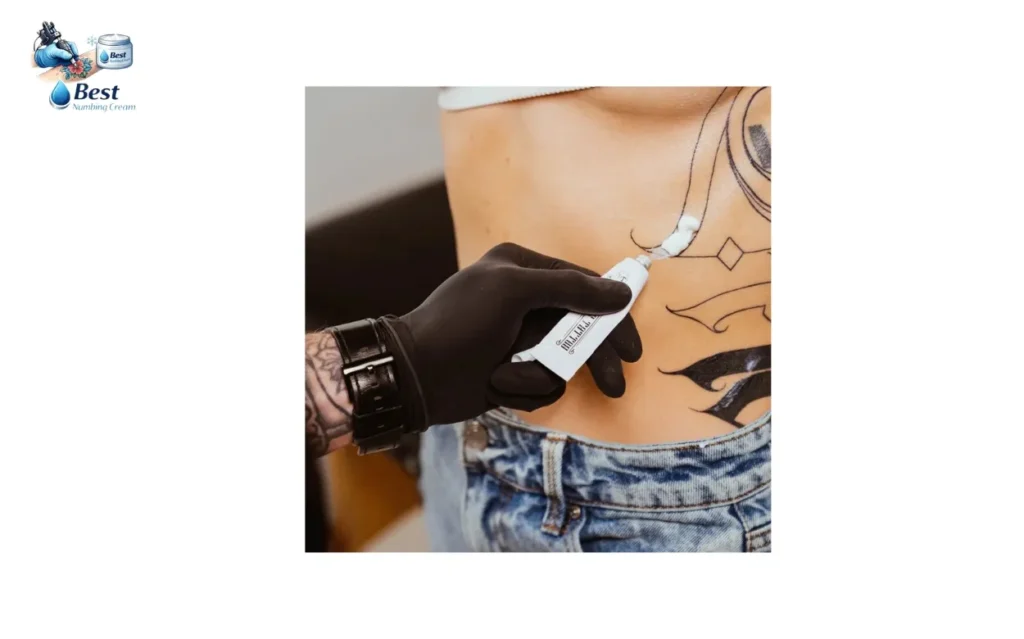
I have found limited clients to be coping better. Numbing cream is no substitute of endurance. Harmless expectations minimize abuse. Preparation is the source of comfort, and not only products. Leverage enhances experience.
FAQs About How Long Does Tattoo Numbing Cream Last?
Conclusion
The effect of tattoo numbing cream is usually an hour or less and peak numbness is usually achieved in the early stages. The time will vary according to the ingredients, usage, skin condition and where the tattoo is placed. It becomes faded with the passage of time during the tattoo session. This knowledge will help avoid impractical expectations and unprotected usage.
Personally, I have noticed that numbing creams are best used in a proper manner and with some thought. They are short term solutions, not long term. Duration is important in making clients plan better and utilize them in accordance with their long life span. When one is informed, the tattoo experiences are safer and comfortable.