Best Lidocaine Strength for Tattoo Numbing
Discover the Best Lidocaine Strength for Tattoo & Skin Numbing. Learn how to use numbing creams safely for fast, effective, long-lasting pain relief.
Having a tattoo or any other skin action may be a very thrilling experience, but pain is always a big factor. The skin numbing cream used should be able to give good anesthesia in a short period and also long enough to have the treatment done. This may impact negatively on the patient as well as the effectiveness of the treatment once there is some kind of discomfort during the procedure. In areas of professional practices such as laser resurfacing, microneedling, or injectables, a large number of practitioners use compounded topical anesthetics as an alternative to ordinary over-the-counter products to maximize their efficacy and patient satisfaction.
An effective numbing cream may alleviate pain, decrease the level of discomfort, and enable professionals to conduct their work effectively. Lidocaine is an anesthetic that is used as the main component of over-the-counter products and is effective in impeding nerve activity in skin. In more intense processes, more intense formulations or compounded creams are typically required to attain deeper numbness and more sustained relief. Knowing the strength and available choices of lidocaine is something that any person should know before getting a tattoo or undergoing any form of skin treatment.
Lidocaine Strength
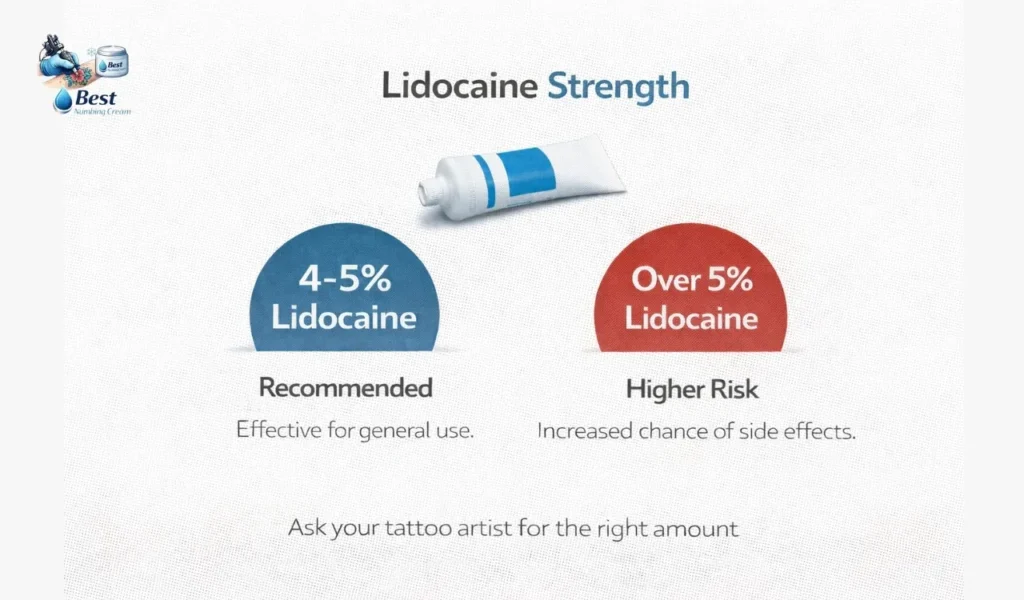
Lidocaine is an extremely popular local anesthetic that comes in different concentrations, anesthetic. OTC topical creams typically come with up to 5% lidocaine, which can provide enough lidocaine in the case of most small surgeries. Lidocaine acts by interfering with nerve signals in the place of application, so as to avoid the feeling of pain. Its performance is based on its concentration, location of use, depth of the layer being applied and the time it takes to stay in the skin.
Patients and practitioners have been left wondering whether there exists anything better than lidocaine. Lidocaine on its own is strong but when used in combination with other anesthetics the stronger effects are obtained. This is where compounded topical creams are used. Lidocaine and benzocaine have a higher capacity to create good anesthesia compared to when lidocaine is used alone. Such combinations are designed in a way that they are safe and effective to use professionally.
BLT Cream
BLT cream is abbreviated as Benzocaine, Lidocaine and Tetracaine. It is a compounded anesthetic prepared by qualified or trained pharmacists and is not carried in ordinary pharmacies without a prescription. One of them is benzocaine 20%, lidocaine 6%, and tetracaine 4%. BLT cream is used in professional skin operations that involve deep anesthesia.
The fact that BLT cream produces deeper and longer lasting numbness is an advantage over the usual lidocaine creams. It is safe, which is effective and stable in its use as prescribed. The cream must never be administered without a trained professional or under instruction to limit the occurrence of adverse reactions and procedures may be done to the patient with minimum injuries.
Prescribing BLT Cream
BLT cream is usually prescribed by a dermatologist or licensed practitioner carrying out skin activities. Most of the compounding pharmacies require a prescription to get the cream. Pharmacies are 503A, which require prescription, and 503B, less prevalent but can be able to compound without prescription.
To be effective and safe, it is crucial that the prescription of BLT cream should be done appropriately. Professionals make use of prescription forms in establishing the right dosing, mode of application and safe usage of particular procedures. Unadvised use of this cream may result in wrongful dosage, lack of anesthesia, or even undesired side effects.
How Long BLT Cream Works
When properly used, BLT cream starts numbing the skin after about 20 minutes, and at this point, the cream is at full effect. It can be expected that users develop a partial numbness faster, and waiting the full recommended time can guarantee the best outcomes. After this has been done, the area is supposed to be ready to carry out the procedure by cleaning off excess cream (washing of the skin).
The concentration and area treated determine the duration of anesthesia. One should not numb large areas simultaneously as this may cause systemic toxicity with the large absorption. As an illustration, dermatological operations should only cover half of the face at a time. Proper use will see the patient comfortable without risking his or her safety.
Application Tips
A gloved hand or an applicator should be used to apply the BLT cream. Once numbing is obtained, the cream has to be washed off, and the area should be bathed. It cannot be used on extensive surface areas at the same time. The possibility of systemic effects decreases with the treatment of smaller parts and provides safer absorption.
In more extensive regions, like legs used to remove hair, treating it will be more effective to divide the area in parts and apply the cream on one part of the body and do the procedure on the part. This would avoid toxicity and provide comfort to the patient during the session. The timing and methods of application should always be done professionally.
Why BLT Cream Is Preferred
The BLT cream offers deeper anesthesia than normal over-the-counter topical anesthetics. There exists a wide range of over-the-counter creams capable of addressing small discomfort (e.g. bug bites, minor burns, or small tattoos), but that might not be effective in large or invasive surgeries. Compounded creams such as BLT provide stability in the deep numbing effect and this is the reason why professional people prefer using them in more important skin treatments.
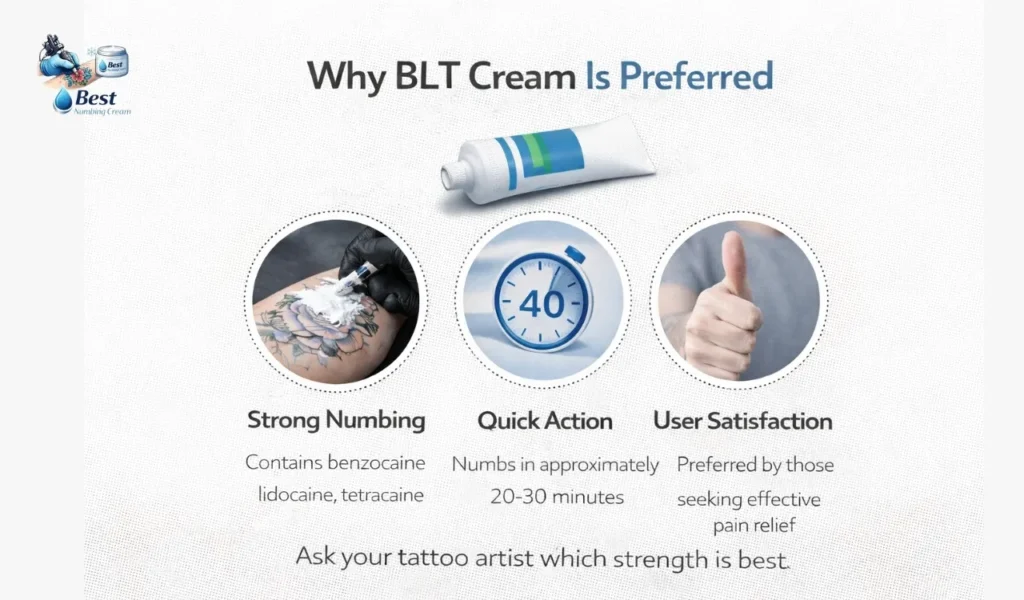
The application of BLT cream guarantees the comfort of the patient, decreases the level of stress during the procedure, and enables specialists to do quite specific and detailed work, lidocaine. It is a quality and efficient solution to any person who is undergoing a treatment that needs a lot of anesthesia.
Role of Compounding Pharmacies
Compounding pharmacies are also very important in the production of BLT cream. The combination of lidocaine, benzocaine and konse hn should not be measured in one way as opposed to single-anesthetic products since this form of combination is very specific and requires a certain amount of care and attention to be effective and safe. Compounding pharmacies are highly regulated to come up with consistent, stable, and high quality products.
One should not take a chance and try to prepare such ingredients in-office. Heterogeneity of formulations may result in unequal anesthesia, eventual toxicity and unwanted reactions. To achieve uniformity and safety of clinical performance, professionals depend on compounding pharmacies to yield uniform and safe creams.
Common Formulations
There are a number of formulations of BLT cream, which are depending on the requirements of the dermatologists and aesthetic practitioners. Regular formulations, e.g., benzocaine 20, lidocaine 6, tetracaine 4, etc. have proved to be effective and safe when properly used.
These might be different depending on the procedure or the sensitivity of the patient. A compounding pharmacy can customize concentrations or add other skin-soothing agents to fit the needs of the particular requirements, and offer high professional-grade anesthetics that can not be provided by the over-the-counter creams.
Side Effects and Precautions
Poor use of the BLT cream, particularly on large body parts is the most frequent cause of risks of the cream. In case excess of anesthetic is absorbed simultaneously then systemic toxicity may ensue. The symptoms can also include dizziness, nausea, headache, difficulty in breathing, or a blue-colored skin because of an ailment known as methemoglobinemia.
Caution should be taken when applying BLT cream to a broken, inflamed, or infected skin. The cream ought to be well removed and then any procedure that will cause destruction of the skin, is to be carried out. To have a safe, effective numbing experience, it is necessary to carefully apply the numbing agent, time the application, and follow the safety guidelines.
FAQs: Lidocaine Strength for Tattoo & Skin
Final Thoughts
Choosing the right numbing cream is essential for a comfortable and stress-free experience during tattoos or other skin procedures. Standard lidocaine creams provide effective pain relief for small areas, while compounded BLT creams offer stronger and longer-lasting anesthesia for more extensive or sensitive treatments. Proper application, patch testing, and following safety guidelines can ensure the best results without discomfort or complications.
It’s also important to consult with your practitioner before using any topical anesthetic. Professionals can advise on dosage, timing, and the safest approach for your procedure. By taking these precautions and selecting a high-quality numbing cream, you can minimize pain, reduce anxiety, and enjoy a smooth, controlled procedure from start to finish.