Numbing Cream vs Pain Spray for Tattoos
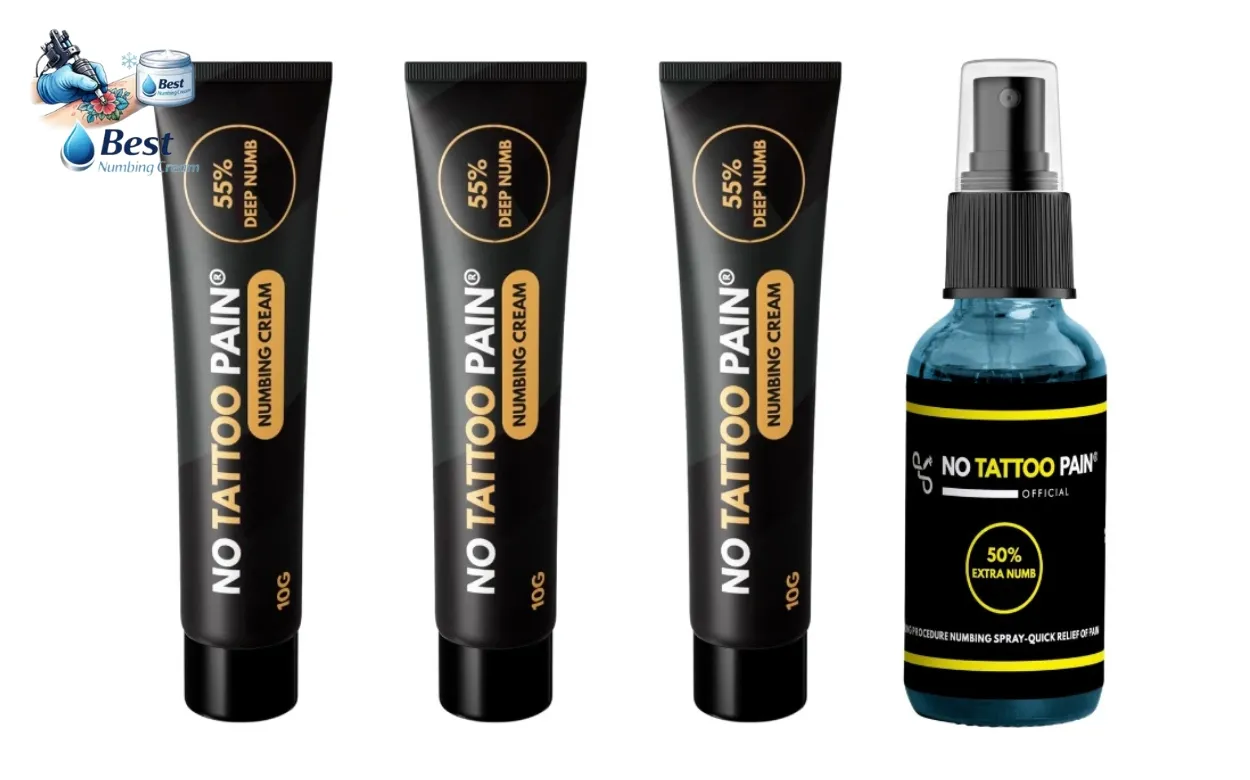
Numbing cream vs pain spray for tattoos explained, including how they work, pain control differences, safety concerns, and what to expect during sessions.
Numbing cream and pain spray are two popular options of the type that is used when it comes to dealing with the pain associated with tattoos. I have witnessed that many people are confused as to which one is actually effective and when each one should be used. Others suppose that both products can do the same thing whereas others are of the opinion that one takes the place of the other. Actually, they are very different in their way of working and are intended to serve various occasions during the tattooing.
The knowledge of the numbing cream vs pain spray on tattoos assists in creating expectations and enhances safety. Both items have the capability of alleviating pain, yet none is a wonder. The article describes each of the options and how they work, when they are normally utilized, and how individuals actually experience pain with both. This is done to achieve clarity, not to promote.
What Tattoo Numbing Cream Is
Tattoo numbing cream is a topical agent which is used prior to a tattoo session. It normally includes lidocaine or another type of anesthetic that desensitise the surface of the skin. The aim is to alleviate first needle pain. It is effective in advance of skin breakage.
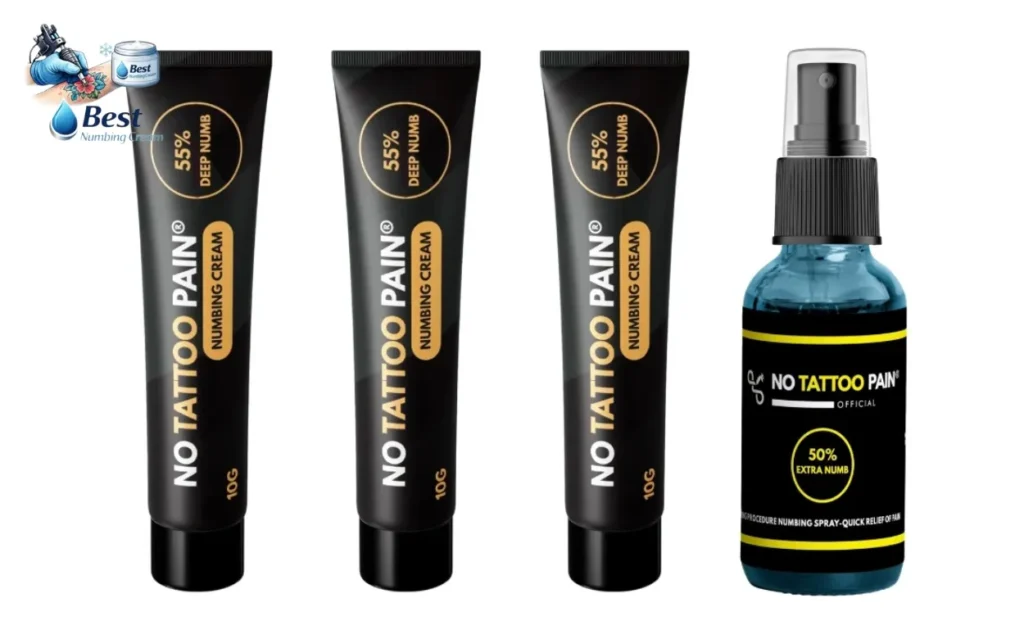
In my case, numbing cream is predominantly used in the initial stages of tattooing. It deadens acute perceptions without getting rid of feeling. The pressure and vibration are still evident. It is a minor and temporal role.
What Tattoo Pain Spray Is
Pain spray is normally used during the tattooing procedure but after the skin has already been done on. It is a common technique when the pain arises during the session. The spray is fast acting with a temporary relief. Its effect is brief.
I have also observed that pain spray is somehow confused with numbing cream. It does not last long in numbness. Rather it is used to soothe red skin in the short term. It functions as a response instead of proactive.
When Numbing Cream Is Used
The anesthetic cream is applied prior to the start of tattooing. It is applied on healthy skin and left to seep in. This is a crucial timing that is directed at safety and efficacy. The Pre-application prepares the ground towards advance comfort.
Personally, numbing cream is most effective when used properly and prior to the operation. Hurried application minimizes outcomes. As soon as tattooing is introduced, it starts to decline in its efficacy. It is useful through timing.
When Pain Spray Is Used
Tattooing is done under pain spray typically when numbness has disappeared or irritation developed. It is used in between passes. The recession is nearly instantaneous but temporary.
I have observed that pain spray only helps during certain times not during a session. It doesn’t replace endurance. Rather it provides temporary reprieve to enable one to work. Its effect wears off quickly.
Duration of Pain Relief
The duration of the numbing cream is one to three hours depending on the product used and the individual reaction. Peak numbness occurs early. It slowly goes back to normal when the body breaks down the anesthetic.
Pain spray, however, is short lived and lasts minutes. In my experience the effect of it is short-lived and local. It does not cause numbness in the long run. The largest difference between the two is in the duration.
Pain Level Comparison During Tattooing
Along with numbing cream, the early pain is significantly decreased. The contact of the first needle is less sharp. Nevertheless, pain comes back after the loss of numbness. It is the difference that can be intense.
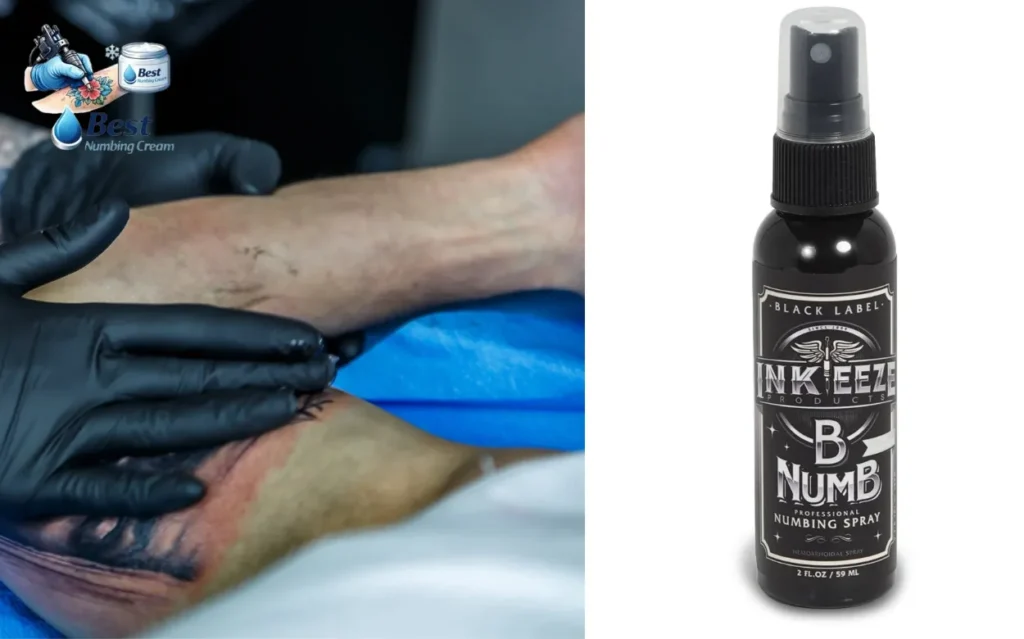
Pain spray does not decrease acute pain, but may help relieve subsequent pain. I have observed that it is useful in soothing burning or irritation. It does not remove pain, but it does make it bearable in the short run.
Safety and Skin Absorption
Numbing cream is harmless when it is applied to undamaged skin. Over application or reapplication during the session increases the risks of absorption. Strict adherence to instructions is important.
Broken skin has a rapid uptake of pain spray. In my case, this is the reason why artists are wary of it. Excess use predisposes one to irritation or side effects. The two products must be handled well.
Effect on Skin Texture and Tattooing
Numbing cream may alter the texture of skin, and may make it firmer. This may influence the movement of needles on the skin. Artists are able to adapt technique.
Aches spray has the ability to make irritated skin tight or calmed down temporarily. I have realized it could help the skin to feel calmer in the short run. But, the repetition may create sensitivity. Skin reaction is important to the quality of tattoos.
Artist Preferences and Studio Policies
Artists have numbing cream that they like to use, pain spray, and those who do not use either. Taste is determined by experience and atelier regulations. Communication is essential.
In my experience, most artists do not mind numbing cream when it is talked about in advance. The artist tends to selectively use paint spray. Policies vary widely. Always ask before assuming.
Which Option Feels More Predictable
Predictable relief in the initial stages is provided by numbing cream. The individuals are aware that they will experience pain in the future. This predictability aids in the mental preparation.
Pain spray is not so predictable. I have observed that relief is different at different times. It is capable of aiding abruptly but disappears rapidly. Flexibility is also greater in nature but predictability is lesser.
Choosing Based on Session Length
The numbing cream should be sufficient in shorter sessions. It occupies the greater part of the tattooing time. The use of pain spray might not be essential.
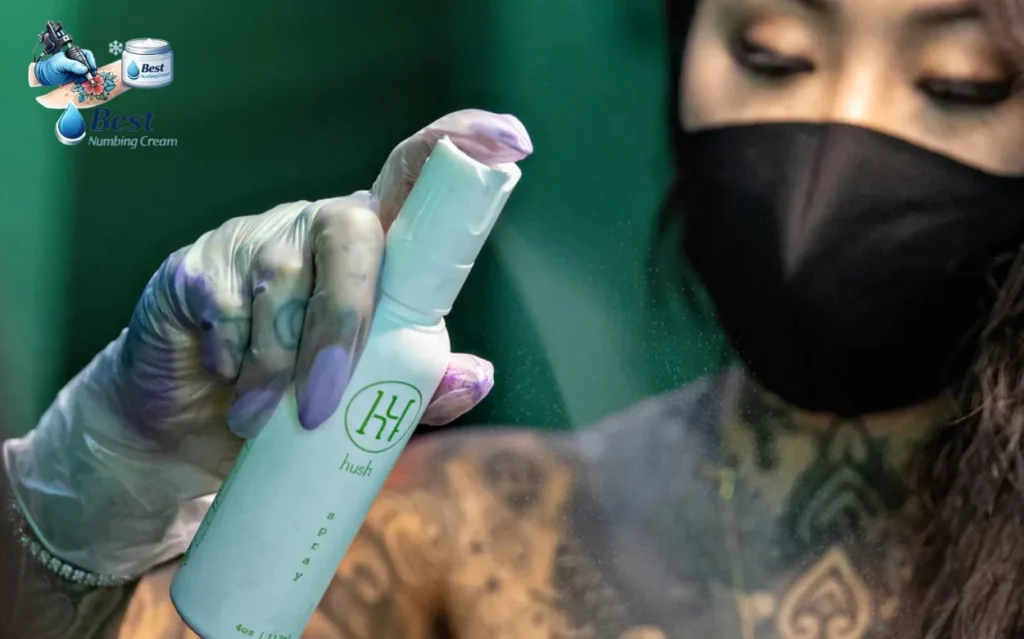
Pain spray can be administered upon no longer being numb in case of longer sessions. In my case, neither of the options covers the whole session by itself. Long tattoos demand a long patience.
Managing Expectations
Numbing cream and pain spray do not eliminate pain, but they alleviate it. They move about the sense of pain. Hypocrisy will result in the misuse of pain-free tattooing.
I have observed that realistic expectations are better experiences. These are assistive rather than solving tools. Knowledge of limits eliminates irritation and risky conduct.
FAQs About Numbing Cream vs Pain Spray for Tattoos
Conclusion
Pain spray and numbing cream are used in the management of tattoo pain in different ways. Numbing cream is used to minimize early pain and pain spray is used to provide short relief in the session. Both of these do not cure the pain but they both have a limitation. Their roles can be understood to prevent disappointment and misuse.
My experience has shown that balanced expectations and free communication with the artist are the keys to the best tattoos. Some of the pain management tools are useful, however, preparation and mindset play a greater role. Both can be used safely in a responsible manner to provide comfort without reducing the safety and quality of tattoos.