Side Effects of Tattoo Numbing Cream
Learn the side effects of tattoo numbing cream, including skin texture changes, healing risks, and artist concerns, before deciding to use it.
The use of tattoo numbing creams has gained popularity among the population seeking to minimize the pain when getting tattoos. Although these creams are able to make the experience comfortable, they do not have any disadvantages. Most of the clients are concerned of whether the tattooing will alleviate pain but not the side effects that might be associated with the process, recovery, or end product. It is crucial to understand the advantages and risks and make a decision to use any numbing product.
The side effects also differ depending on different factors such as the type of the skin, size of the tattoo, duration of the session, and the manner of application. There are minor and temporary issues that are to be considered and those that can disrupt the work or healing prognosis of the artist. The paper discusses the most prevalent side effects of tattoo numbing cream, which will assist you in making a choice to visit the clinic again.
Skin Texture Changes
A change in the skin texture has been described as one of the most common side effects of tattoo numbing cream. Numbed skin has been described by many tattoo artists as spongy, rubbery or uneven. This occurs since anesthetics have the potential of temporarily modifying blood circulation and neural reaction in changing the nature of skin reaction to needle pressure during tattooing.
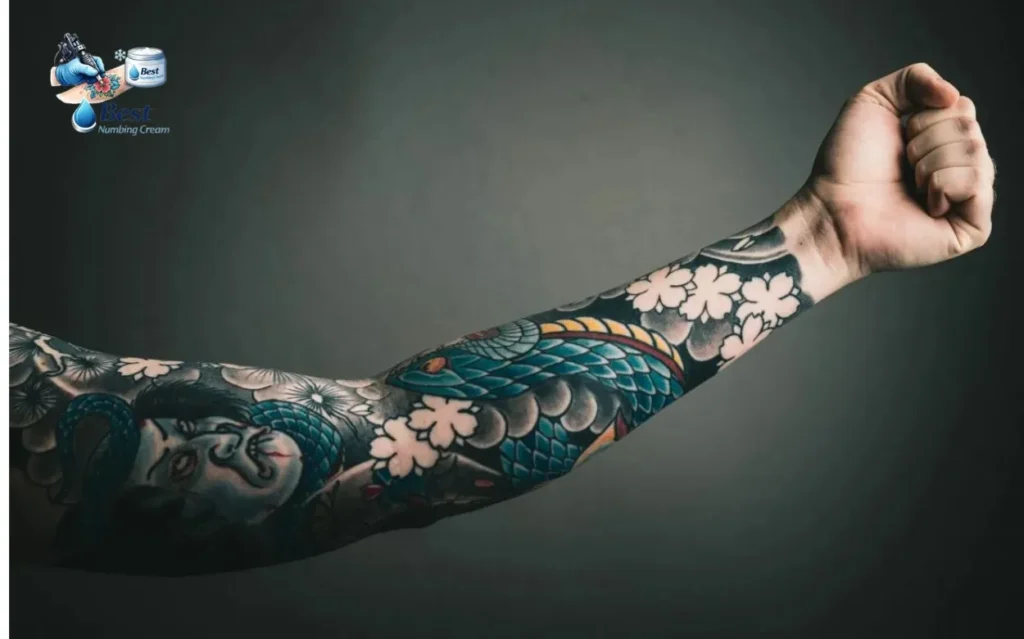
The failure to stretch the skin evenly makes it more difficult to get clean lines or a smooth shading effect on the part of the artist. It can make the procedure slow and this can affect precision particularly in a fine or detailed tattoo. Although not apparent to all, it is among the primary causes why some artists are opposed to working on numbed skin.
Allergic Reactions
The risk of allergic reactions is another important issue. Although a numbing cream can work well on an individual, it can irritate someone. The reactions may be mild redness and itching, swelling, rashes, and hives. In uncommon situations, there can be more serious reactions which should be treated.
Such uncertainty is what contributes to the high recommendation of patch testing. Sensitivity can be told by applying some cream on another part of the skin and waiting at least 10 to 20 minutes. Failure to do this will expose one to the possibility of other complications during the tattooing session which can result in delay or cancellation.
Delayed Onset Time
The numbing creams are not immediate. Most of the topical anesthetics take approximately 30 minutes, or even more, to effect. It is sometimes inconvenient in a busy studio where the appointments are scheduled one after another and the scheduling of the studio is strictly controlled.
Due to such a delay, not all artists want to use numbing creams without prior consultation. In case a client will be late or use the cream in an unsuitable way, the session can be destroyed. It is also essential to have adequate time and synchronization with the artist to prevent the unwarranted tension or a hurry to prepare.
Limited Duration
The other disadvantage is that the numbing creams cannot last long during the long-lasting tattoo sessions. The majority of the products fade within one to two hours. In the case of large or very detailed tattoos, the numbing effect is only temporary and the tattooing sessions may last several hours.
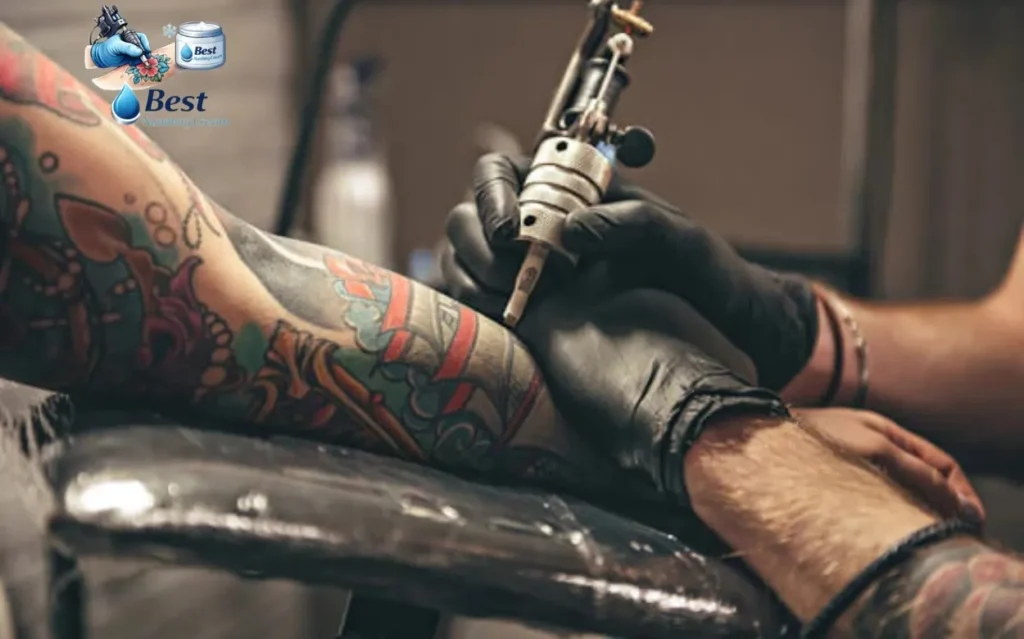
Pain may become more intense when the numbness is relieved in the middle of the session since the nerves become sensitive again. Cream should not be reapplied on broken skin, which is likely to raise irritation or hamper healing. This is a weakness that renders numbing creams less convenient when performing tattoos on a big scale.
Increased Discomfort Later
In spite of the fact that numbing cream relieves pain in the initial stages, there are cases when they cause more pain afterward. The numbing effect fades away and nerve endings repeatedly stimulated may become more responsive. This can result in the second half of a session being more painful than none of the cream had been applied.
Other clients also complain of increased soreness following the session as compared to non-numbed tattoos. Such a delayed complication may have an impact on the satisfaction levels, particularly with first-time customers whose expectations are to have pain relief during the process.
Healing Complications
The effect of numbing creams can also affect the healing process. The pattern of ink sinking in the skin may be influenced by alterations in blood circulation and skin reaction. There are also instances when tattoos can be healed with uneven saturation, patchiness or partial loss of detail, especially in highly numbed areas.
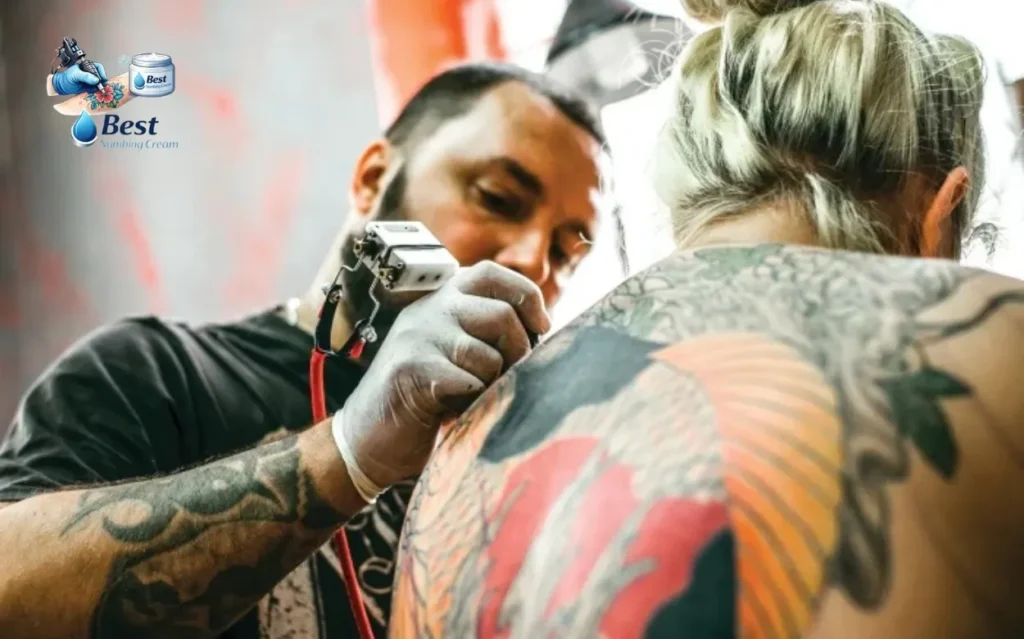
Moreover, the skin which is irritated or sensitized can become slow to heal. Redness, dryness or persistent tenderness may arise particularly when the cream was applied excessively. It is even necessary to adhere to proper aftercare when it comes to numbing products to minimize the possibility of complications.
Artist Preferences
Numbing creams are controversial to tattoo artists, and their choice dominates. There are those artists who believe that numbing products interfere with their technique and those who feel free to use it in certain situations. This distinction is usually determined by the style of tattoos, experience and individual workflow.
To achieve the use of natural skin response, many artists like precision-based work or detailed work, so that the accuracy is guaranteed. No prior discussion of using numbing cream can lead to refusal to proceed. Prior communication facilitates preparation of expectations and prevents a terrible time by both the client and artist.
Pain as Tradition
To other artists and customers, pain is an essential factor in the tattooing process. Traditionally, tattoos were linked to perseverance, devotion and passage of initiation. The same mentality still affects the contemporary tattoo sub-culture despite the availability of comfort-oriented alternatives.
Although this is not the universal belief, the reasons why certain studios do not recommend numbing creams are explained. Finally, the decision on the use of one is individual. Honoring the tradition and the contemporary taste gives clients an opportunity to find the approach to tattooing that will make them feel right.
FAQs About Side Effects of Tattoo Numbing Cream
Final Thoughts
Tattoo numbing cream may help in reducing pain although it is associated with some side effects which should not be overlooked. The texture of the skin, allergic reactions, the duration limitation, and the issue of healing may all influence the process of tattooing and the ultimate outcome. Such effects are not manifested to all people, but it is imperative to know.
Preparation and communication are the most appropriate. Get advice on pain management with your tattoo artist, strictly adhere to instruction on application, and never neglect a patch test. By making informed choices, regardless of whether you use numbing cream or not, you will be able to have a safer, smoother, and more satisfying tattoo experience.