Can Tattoo Artists Use Numbing Cream?
Can Tattoo Artists Use Numbing Cream Learn when artists allow it, legal limits, safety concerns, and how it affects tattooing and skin response.
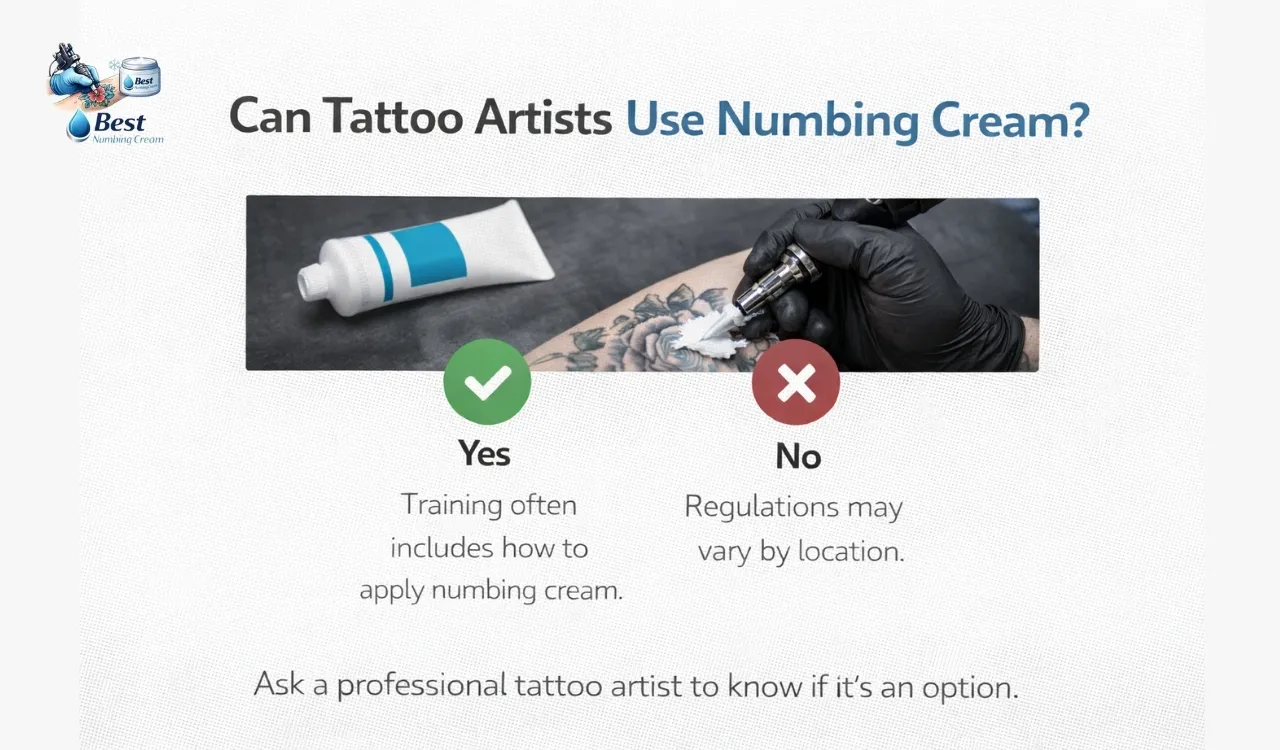
Most individuals believe that tattooed artists always use numbing creams whenever they are doing tattoos, which is not always true. I have realized that this is the question that is most often raised by the clients who require some kind of pain relief but are not sure who is authorized to do it. There is a gray area in the regulations concerning numbing cream, particularly when one studio is giving differing guidelines. Safety and responsibility are important, as well as pain management. Knowledge of the position of artists will prevent embarrassing or hazardous occurrences.
The answer to the question of whether tattoo artists are allowed to use numbing creams depends on a number of factors such as local laws, type of product and policy in the studio. There are those artists who do not mind numbing products and those who do not use them at all. This article discusses when Artists may apply numbing cream, why not to apply it, and how the responsibility is normally taken. The idea is to be understandable, not to pressure either of the sides.
Who Is Legally Allowed to Apply Numbing Cream
In most areas tattoo artists are not permitted by law to use medically certified numbing agents. The products with greater lidocaine content can be limited to the medical practitioners. This sets distinct boundaries to artists. The laws are different in countries and states.
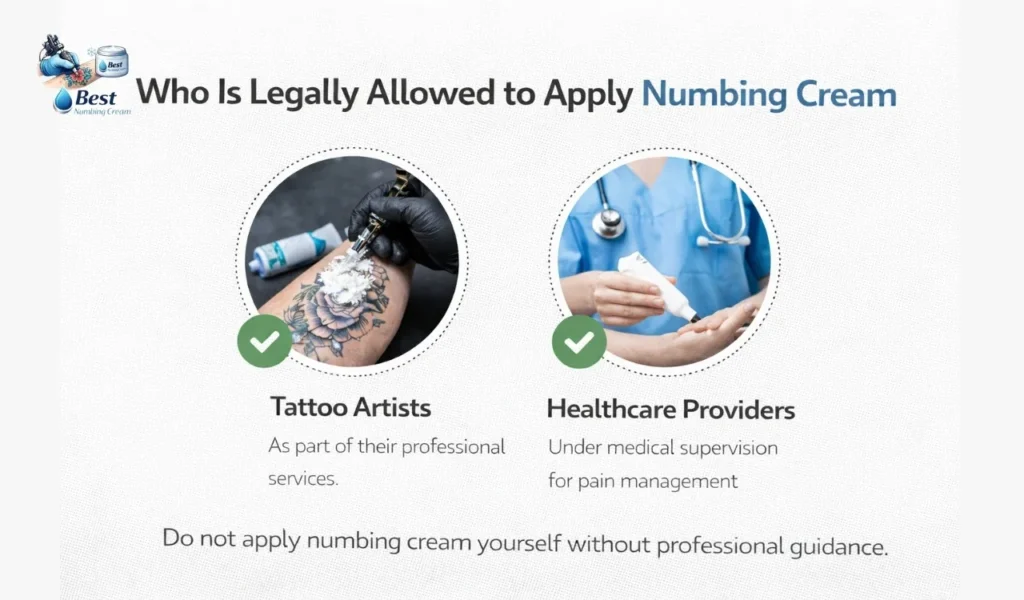
In my experience, the majority of studios have a set of strict rules in order to prevent legal problems. Artists can also leave it to the clients to apply numbing cream to themselves prior to arriving. This transfers the blame on the artist. Studio policies are often influenced by legal constraints as opposed to taste.
Difference Between Client-Applied and Artist-Applied Cream
There is a crucial difference with regard to the person who puts the cream on. Numbing cream that is applied by clients is more acceptable, aloe vera. Numbing cream applied by artists has greater responsibility and risk. This distinction is legal and moral.
I have also observed that most of the studios have options to choose pre-applied numbing but not to do it personally. This helps to shield the artist against the liability. The client still has the responsibility of the use of the product. This is the boundary that prevails in studios.
Why Some Tattoo Artists Avoid Numbing Cream
There are tattooists who refuse to use numbing cream. Alterations in the texture of the skin may influence the control of the needles and the positioning of the ink. Painters used the predictable skin response. Numbing cream is capable of changing that reaction.
In my experience, there are artists who do not numb the value consistency. They like the behavior of skin in nature when tattooing. This is not a matter of failing to take care of the comfort of clients. It has something to do with safeguarding the quality of tattoos. Artist preference is greatly dependent on the personal experience.
Safety and Liability Concerns for Artists
Use of numbing cream puts the artists at risk of being liable in case of an incident. It may cause an allergic reaction or abuse. The responsibility may also be doubted despite the fact that the artist did not cause the problems. Policies are influenced by risks of liability.
I have observed that studios are going to be more safety-conscious than convenient. Risk is avoided by avoidance of application. Artists have enough responsibility to handle when tattooing. Numbing cream is an additional source of possible complication. The issue of risk management is relevant in the workplace.
Studio Policies and Insurance Rules
Several tattoo shops are being run under insurance policies where strict rules are followed. Other insurance companies do not allow artists to use numbing products. Breaking of these rules will be considered as voiding of coverage. This has an influence on studio activities.
In my case, the policies in the studio tend to be insurance-based. Although one artist may feel comfortable, policy may say no. Insurance is a practical reality. They are more controlling than opinion.
When Artists May Allow Numbing Cream Use
There are cases of artists who permit numbing cream. This may involve cream applied to the client earlier to the session, anesthetic. Artists are also entitled to pre-notice. A clear communication is normally demanded.
I observed positive results when expectations are negotiated prior. The session may be disrupted by surprise. In case artists are informed early, then they will be able to plan. Cooperation is supported by transparency.
Medical-Grade vs Over-the-Counter Products
Numbing agents of medical quality are typically limited to licensed practitioners. Clients tend more towards over-the-counter numbing creams. The distinction is made in force and control. Not all products are equal.
In my case, the artists will be conservative when it comes to more formulative approaches. OTC products are safer but still should be taken care of. The distinction in knowing helps to avoid misunderstandings. The level of artist comfort depends on the type of product.
Reapplication During Tattoo Sessions
The reapplication of numbing cream is controversial in particular during the tattooing. Using products on broken skin presents an implication of higher absorption. There are numerous reapplicants that decline to apply again due to safety reasons. This is a common boundary.
I have observed that artists have become more strict on this rule. Recertification creates liability and health concerns. Even those artists who permit pre-application tend to forbid mid-session use. This safeguards the client and the artist. Boundaries are strictly demarcated here.
Artist Experience and Personal Preference
The experience of artists has a very strong impact on their position on numbing cream. There are those who have been successfully working with it over years. Negative effects have been observed by others and are shunned. Experience shapes comfort.
My experience with artists has shown that there is no general rule among artists. It is personal history of skin behavior. There are pain sensitive clients who utilize some artists. There are those who like conventional methods. It is significant to respect the taste of artists.
Client Responsibility and Consent
In cases where clients apply numbing cream, their accountability is usually transferred to them. This consists of instructions on how to read, allergy check and proper application. Informed consent is normally needed by artists. Accountability should be evident.
Trying studios, I have observed that there are usually disclaimers. This protects both parties. Clients have to be aware of risks and limits. Mutual understanding is the key to avoiding conflict. Safe tattooing includes responsibility.
Communication Between Client and Artist
It is necessary to have open communication where numbing cream is concerned. Clients ought to enquire about using a specific product. Artists are supposed to be clear about their policies. Poor communication brings about issues.
In my experience, early conversation spares one embarrassing situations. Trust is achieved by respecting boundaries. Tattooing is collaborative. Effective communication enhances ease and satisfaction on the part of both parties.
Ethical Considerations in Pain Management
The management of the pain is an individual matter, and it also influences the work of the artist. Ethical practice weighs between client comfort and quality and safety of tattoos. No pressure should be put on either party. Ethics involve respect.
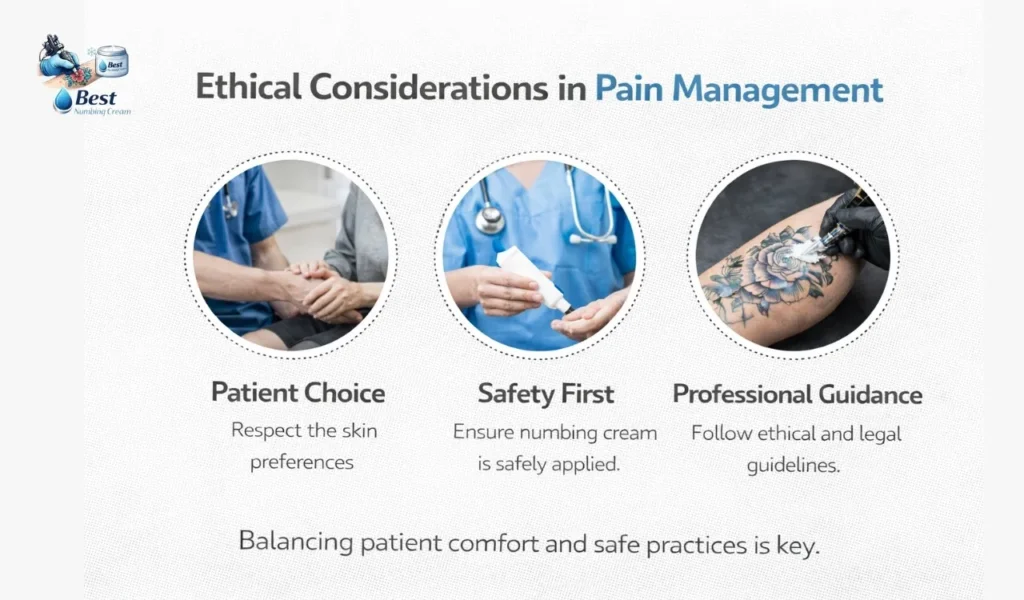
I have observed ethical artists are focused on transparency. They describe risks in an impartial manner. Clients make decisions without lack of information. Trust is developed in the long term through ethical treatment. Safety must never be compromised in this regard.
Regional Differences in Practice
The laws regarding numbing cream differ. There are stricter regions compared to others. Acceptance is also supported by cultural norms. Normal in one location might be inhibited in another.
As I have seen, there is usually a surprise in traveling clients. A request to local studios on policies is not confusing. Regional awareness matters. There’s no global standard. Local rules always apply.
When Medical Supervision Is Required
Medical supervision may be prescribed in the exceptional instances. This is in case with individuals who have health issues or those who use heavy anesthetics. The tattoo studios do not represent the medical environment. Limits exist.
I have observed responsible artists who will send their clients to medical advice where necessary. This safeguards all those concerned. Medical control does not associate with tattoo work. Knowledge of boundaries is a guarantee of safety.
FAQs: Tattoo Artists Use Numbing Cream
Conclusion
The use of numbing cream by tattoo artists is limited and can be done in some specific instances, although they cannot usually apply it themselves. Policies are impacted by legal limitations, liability issues, insurance regulations and experience. Numbing cream is used by numerous artists with prior permission of the client. Clear boundaries are usually understandable and deliberate.
As I have seen, the best way is to be open and respectful of the studio rules. Numbing cream is not prohibited, but it is not universal as well. Knowing what is expected and what is expected results in a smooth session and better deliverables. The informed cooperation promotes comfort without the loss of safety or quality.