Is Tattoo Numbing Cream Safe to Use?
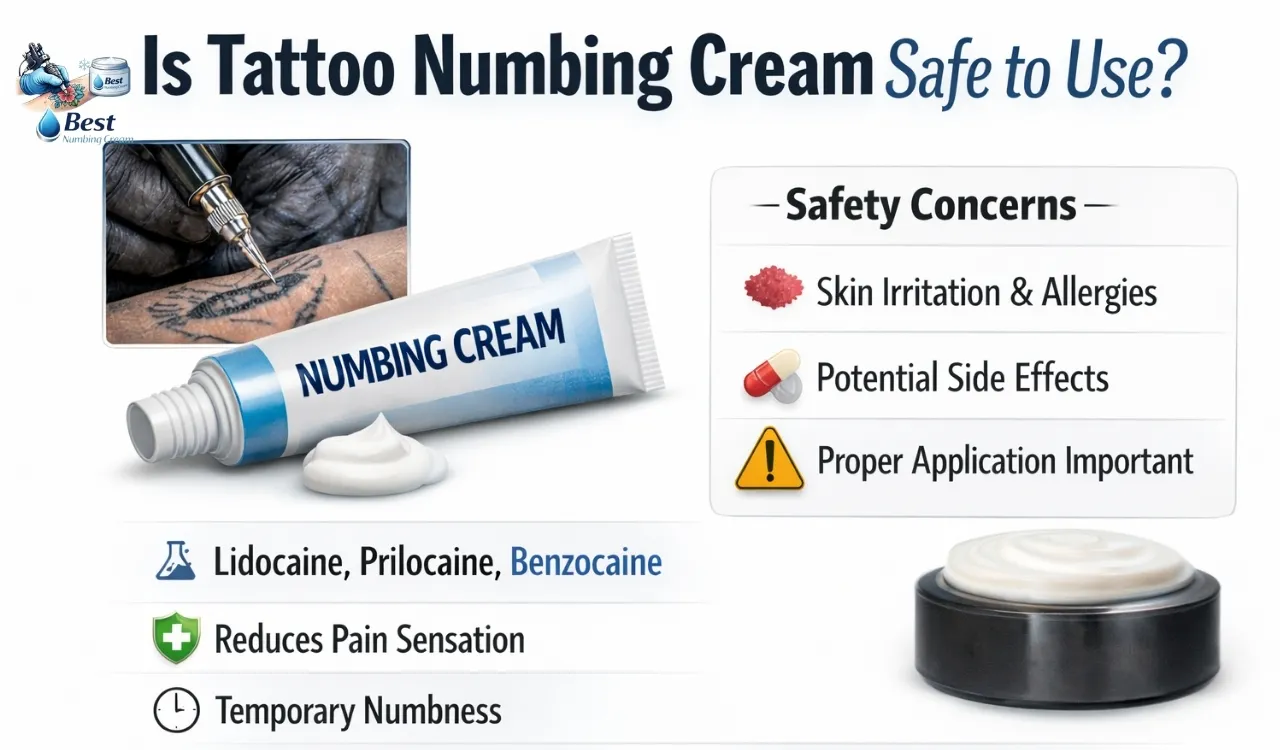
Is tattoo numbing cream safe to use? Learn about lidocaine creams, possible side effects, safety concerns, and how proper use reduces risks.
Tattoo numbing creams have gained popularity particularly when it comes to people who are having larger or more detailed tattoos. I have seen that most of the clients resort to these creams in hopes of alleviating pain but never knowing how the creams actually work. Although numbing creams allow making a tattoo session painless, they are not entirely safe. The safety of various ingredients, their method of application, and the sensitivity of particular skin is dependent. The problems normally start with misuse.
To know whether to use tattoo numbing cream it is important to distinguish facts and assumptions. Most individuals predispose that topical is invariably harmless and this is not always the case. Numbing creams, particularly those using lidocaine, has a direct interaction with the skin and the nervous system. The paper defines the mechanism of action of these creams, side effects to be observed, and how safety depends on usage. It is not to be afraid but to make informed decisions.
What Tattoo Numbing Creams Are
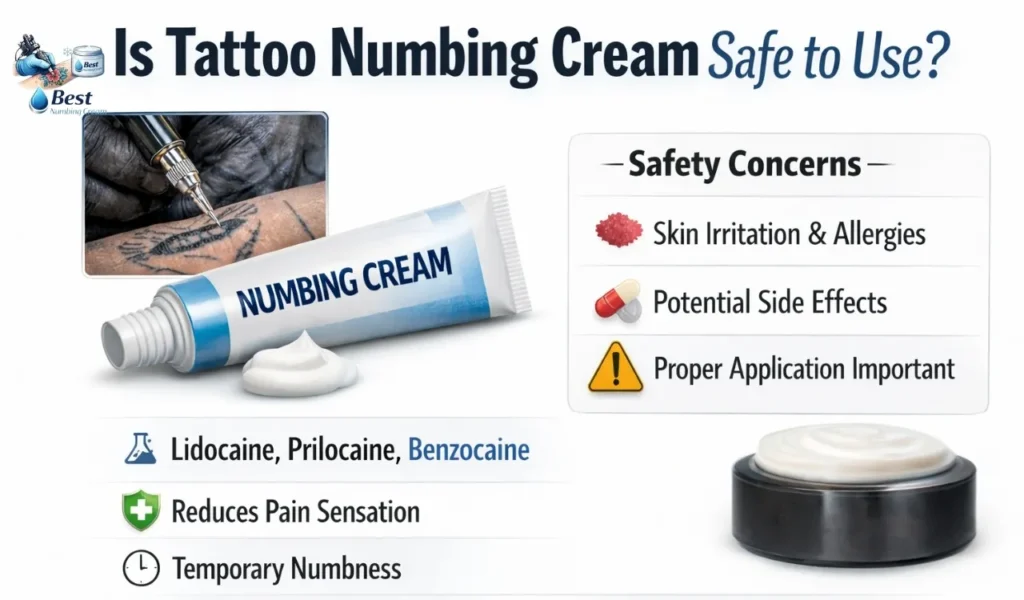
Topical products that induce numbness to prevent pain are called tattoo numbing creams and are used to achieve temporary numbness of nerve fibers. The majority of the work is done through desensitization of the skin surface. The most widespread active ingredient is lidocaine. There are also creams that contain prilocaine or benzocaine, nociceptors.
In my experience, people usually underestimate the power of such creams. They are externally applied, but they have an influence on the nerve response. They are different in their strength depending on concentration and formulation. It is also important to know what they are in order to understand why safety matters. They are not some ordinary cosmetic items.
How Lidocaine-Based Numbing Creams Work
Lidocaine is an antagonist of sodium channels of nerve cells. This avoids the transmission of pain to the brain. Proper use of it makes it localized and temporary in effect. The numbness–as a rule–has a short duration.
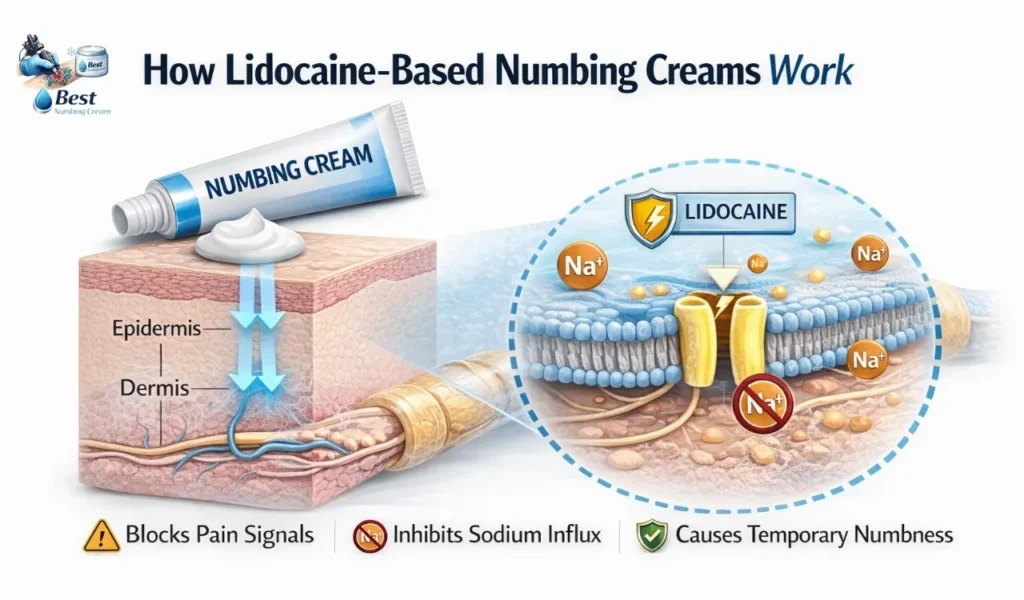
I have observed that whenever people use excessive or prolonged applications, it creates problems. Lidocaine is unaware of the time to quit self-work. What is required is proper dosage and timing. When respected, the mechanism can be predicted. Abuse is a high risk factor.
Common Side Effects to Be Aware Of
The side effects of tattoo numbing creams are irritation to the skin and redness which are the most common. Other individuals develop itchiness, swelling or burning. These responses are not severe, and they normally do not last long. Delicate skin predisposes the chances of being irritable.
Personally, allergic reactions are not very frequent yet possible. Patch testing is not taken seriously. Responses of the skin are diverse among people. Even such minor side effects cannot be neglected. Knowledge eliminates avoidable predicaments.
Allergic Reactions and Sensitivity Risks
There are those who are allergic to lidocaine or other anesthetics. They can also be allergic to hives, severe erythema, or edema. Not very often, reactions are aggravated rapidly. Tact is not always foreseeable.
I have realized that people tend to find out about allergies only after using. It is the reason why little test applications are important. Disregard of sensitivity indicators may worsen matters. There are no allergic reactions that are common. Caution is always justified.
Risk of Systemic Toxicity
Systemic toxicity is not very common yet severe. It arises from excess entry of lidocaine in the bloodstream. This may occur when it is used in large quantities, on broken skin or on too long. Symptoms could be dizziness, nausea or irregular heartbeat.
Personally, such a risk is misconstrued. Topical use is supposed to eliminate systemic effects. Chemicals are still absorbed by the skin. Strict compliance to instructions can minimize this risk. Toxicity is mostly caused by improper use.
Application Errors That Increase Risk
The tendency of using excess cream is also a mistake. The absorption is amplified by applying thick layers or reapplication after every application. The strength of the effect is enhanced by covering large areas. The habits pose safety concerns.
I have realised that impatience causes usage overboard. Individuals desire more powerful numbness and add more product. This hardly enhances outcomes and augments side effects. It is a good idea to follow the guidelines and be safe. Risks that can be avoided are application errors.
Using Numbing Creams on Broken Skin
Application of numbing cream on broken or damaged skin enhances absorption greatly. The process of tattooing in itself produces broken skin, which alters the behavior of products. This is why timing matters. Before application is different to mid-session application.
In my case, the majority of safe use is done prior to the tattooing process. Redoing in tattooing increases risk. Crustaceous epidermis takes in lidocaine more rapidly. This is a very important distinction in terms of safety. The time influences the manner in which the body reacts.
Interaction With Tattoo Process
Topical analgesics may influence the response of skin to tattooing. There are some artists who complain of skin texture or skin elasticity. This is capable of affecting the settlement of ink. The outcomes can be different in different people.
I have observed that not every tattoo artist prescribes the use of numbing creams. It is important to communicate with the artist. The behavior of skin influences the quality of the tattoo. Safety involves the health and outcome factors. Knowledge aids in enhanced cooperation.
Who Should Avoid Numbing Creams
Some people ought to be wary or they should not use numbing creams at all. Individuals with heart related problems, liver problems or known allergy to anesthetic are at risk. Caution should also be taken of pregnant people. Medical history matters.
Personal health factors are not taken into consideration by many people, as my experience demonstrates. Numbing creams cannot be universal. One thing may not necessarily be safe to one individual but be risky to another. Safety has been defined by individual context.
Importance of Following Instructions
The majority of safety concerns are associated with the disregard of the product instructions. There is a reason as to why there are recommended amounts, timing and areas of application. There are instructions on the basis of safe usage limits. Deviating increases risk.
I have realized that people take numbing creams lightly. It is a big difference when instructions are being respected. The correct administration reduces the side effects and enhances predictability. Safety does not imply suggestions but instructions. Compliance protects health.
Patch Testing Before Full Use
Patch testing is the application of a small area on a small area of skin. This assists in determining the allergies or sensitivity. Many users skip this step. Patch testing is not complicated yet useful.
Patch testing, in my experience, helps avoid unexpected outcomes in the process of a tattoo. It gives early warning indicators. Although the inconvenience can be low, the benefits can be high. The testing is assisting informed use. It is better to prevent an attack than cure it.
Misconceptions About “Pain-Free” Tattoos
It is thought that numbing creams ensure painless tattoos. The result of this expectation is overuse. None of the topical creams can totally desensitize sensation. The decrease in pain depends on an individual and position.
I have observed that unrealistic expectations are abused. Numbing creams cause the pain to be lessened but not completely removed. By taking this it will avoid over application. It is realistic expectations that enhance safety. Education reduces misuse.
Regulatory and Quality Differences
Not every numbing cream is prepared of equal quality. Certain products are not well labeled and controlled in terms of their ingredients. This increases risk. Credible products show concentrations in an understandable manner.
Personally I have learned that lack of clarity in labeling is not good. It affects the product to know what it is. Regulation varies by region. The safe use is facilitated by selecting clear products. Quality has an impact on effectiveness and safety.
FAQs: Tattoo Numbing Cream Safe to Use
Conclusion
When used in a responsible and proper manner, tattoo numbing cream may be safe. The majority of adverse effects are mild, including irritation of skin or allergic reactions, which can be avoided. Such dangerous effects as systemic toxicity are uncommon and frequently associated with abuse. The safety is dependent on the dose, time, and the sensitivity of an individual.
As far as I have seen, the difference lies in informed use. Given knowledge of ingredients, instructions and adherence to personal health boundaries would decrease risk to a minimum. Numbing creams are not quick fixes. With the right application, they can be useful in promoting comfort and not compromising on safety.