Tattoo Numbing Cream vs No Numbing: Pain Comparison
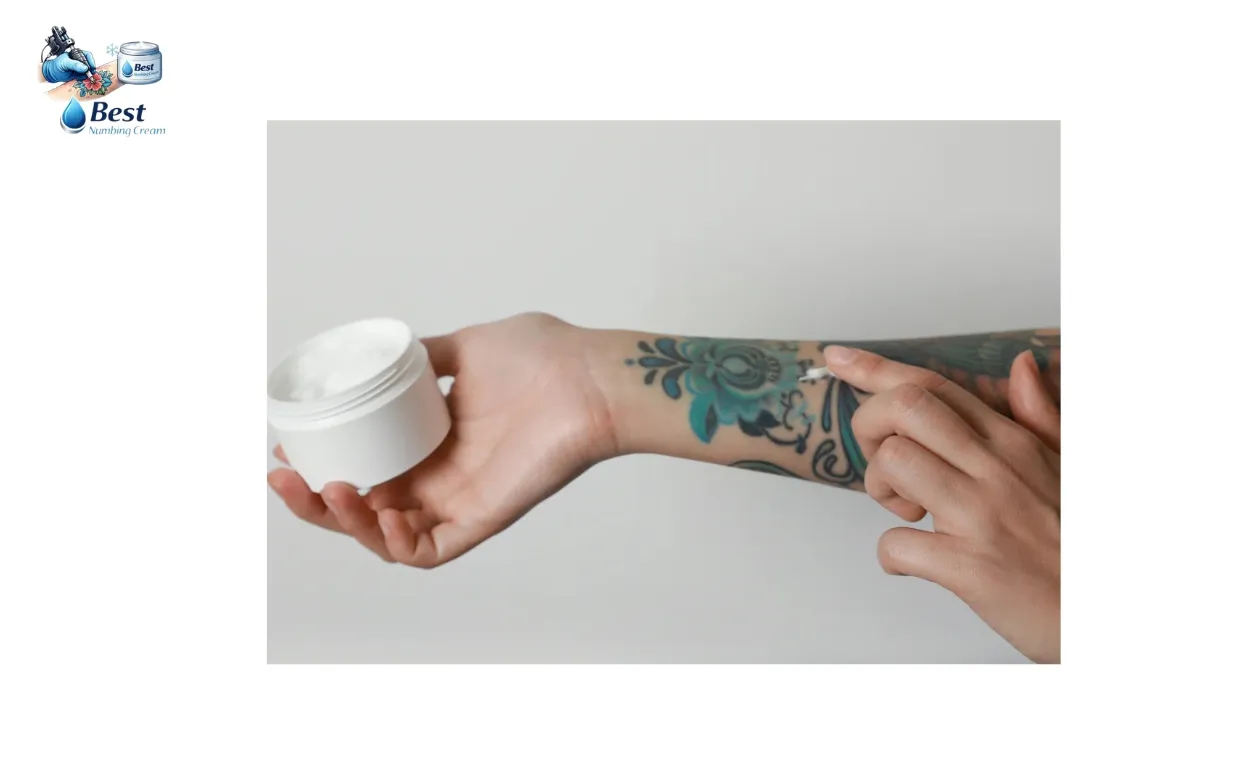
Tattoo numbing cream vs no numbing compared for pain levels, comfort, skin response, and what most people actually feel during a tattoo session.
Pain is the most significant issue that people focus on before having a tattoo and it is the main subject of why numbing creams come into the picture. I have observed most customers have a hard time deciding on whether to apply numbing cream or to get tattooed without using a numbing cream. People are hoping that numbing cream will help eliminate all pain, but there is a fear that this substance may have a certain impact on the tattoo itself. These ambivalent expectations usually cause perplexity prior to the very start of the session. The actual difference makes people make more calm and certain decisions.
Tattoo numbing cream vs no numbing is not an issue of one being the right choice and the other the wrong choice. The perception of pain is diffuse and also skin reaction is. Both methods include trade-offs of comfort, sensation, and experience of the tattoo. The article decomposes the experience of pain with and without a numbing cream, changes throughout the session, and what most individuals actually go through. This is aimed at comparing and not convincing.
How Tattoo Pain Is Normally Experienced
Sharp, scratching, or burning sensation is commonly referred to as tattoo pain that lacks numbing cream. The severity depends on the positioning, duration of the session and the tolerance of the pain by an individual. The pain normally occurs most in the onset when the nerves are most sensitive. The psychological and physical adjustment of some individuals is determined with time.
In my case, non-numbing pain is not always present. It is felt as a wave when the needle is passed over the skin. There are those places that are easier and there are those that are harder. Taking breaks, focus and breathing have an effect on perceptions of pain. No numbing is a bare and foreseeable experience.
What Numbing Cream Changes About Pain
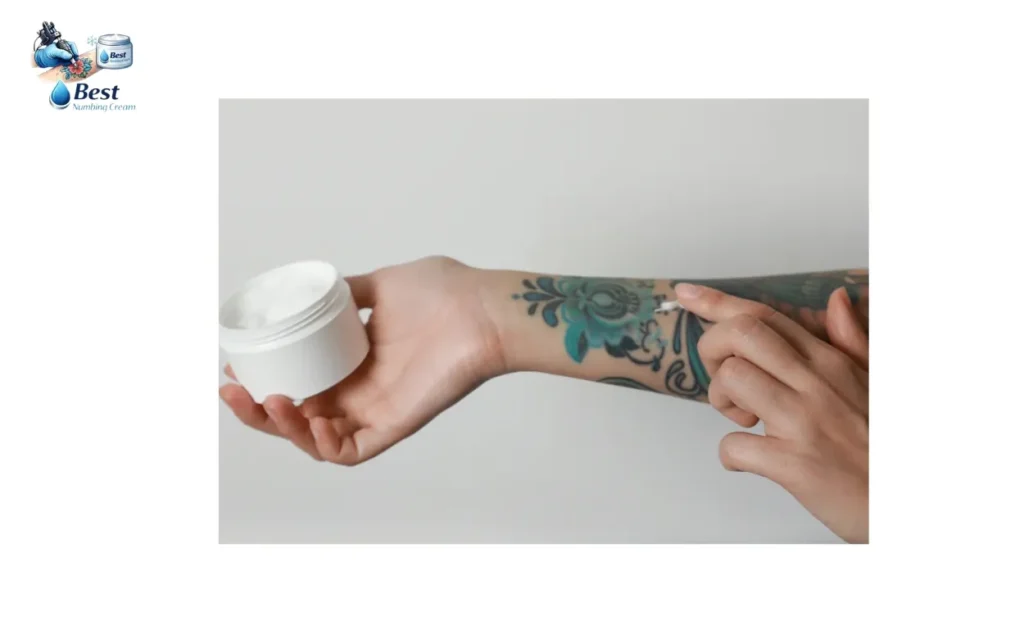
Surface pain is also inhibited by applying numbing cream to prevent nerve impulses in the short term. The acuity of the needle is usually dulled or deadened. It is characterized by many people as pressure, as opposed to pain, at the beginning of the session. This lessening has the potential to simplify the beginning.
I have observed numbing cream does not remove all the sensation. Greater movements and vibration are yet to be felt. Numbness creeps out as the session continues. The shift is relative but not absolute. Aching does not disappear, but latens.
Pain Intensity: With vs Without Numbing
The intensity of pain is generally experienced instantly and in a steady manner without the use of numbing cream. The feeling is more cutting at the beginning. This may be overwhelming to others particularly in sensitive fields. Others tolerate it well.
Early pain intensity is reduced with the use of numbing cream. I have observed that the majority of people report that they feel better initially. Pain may, however, soon reoccur after numiousness. The contrast can feel sudden. Intensity later on becomes no numbing.
Pain Duration During the Session
There exist pain without numbness during the session, and most of the people learn to manage it psychologically. The adrenaline is frequently discharged by the body and it is used to alleviate pain. The pain is not abrupt, but is predictable.
When using numbing cream, the amount of time in pain is reduced initially. The first hour seems to be much easier to me. When numbness subsides the pain might seem more intense since it is more distinct. The time is not diminished in total, but is moved around.
Pain Perception and Mental Response
The psychological training is significant in the perception of pain. People also tend to stiffen themselves without being numbed. Such psychological preparation is capable of dealing with the pain. Sensation goes hand in hand with expectation.
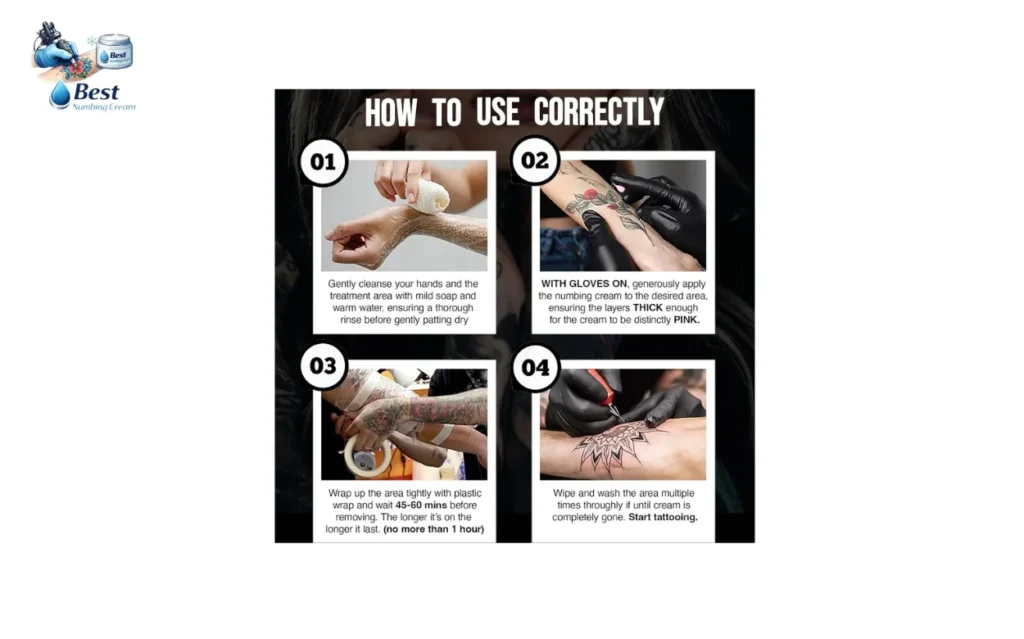
I have seen some of them be more relaxed with numbing cream first. Pain may seem psychologically more difficult, as it is not expected. Attitude is essential like bodily feeling. The process of preparation influences pain processing.
Effect of Tattoo Placement on Pain Comparison
The placement of the tattoos has a great impact on pain. Thin-skinned or high-density nerve end areas are more painful no matter whether numbed or not. Sensitive areas are ribs, hands and ankles. Numbing effects can be overcome by placement.
With my experience, numbing cream works on moderate pain areas than extreme ones. Even after numbing up, sensitive areas remain painful. Pain is foreseen, but consistent without numbing. Location usually wins over cream selection.
Long Sessions and Pain Management
The differences between numbing and no numbing are emphasized by long tattoo sessions. The gradual accumulation of pain and fatigue becomes the greatest obstacle without being numbed. Human beings are known to take things at a slow pace. Endurance matters.
Using numbing cream, I have found that the long sessions are easier in the beginning but more difficult in the end. When pain intensifies, numbness may increase in between the sessions. This may be more dramatic than you would have guessed. It is specifically important to plan breaks.
Skin Response and Pain Sensitivity
Sensory responses influence the perception of pain. There are those that swell or get sensitive quicker. Skin response is not affected by numbing. As the skin becomes fatigued, the level of pain changes with time.
Through numbing cream, the skin may become firmer initially. I have realized that this can alter the perception of pain to some extent. With the recovery of sensation, there might be a rapid rise in sensitivity. The behavior of skin is more likely to affect comfort than one may think.
Pain After the Session
The pain that occurs after the session without numbness is typically mild pain. The skin is soft and yet familiar. It has been compared to a sunburn by many people. The feeling passes away slowly.
Numbing cream, I have experienced post-session sensation as delayed. The soreness is noticed when numbness has completely disappeared. This isn’t worse, just later. There exists timing difference with regard to perception. The aftercare is an issue in both situations.
Pain vs Control Trade-Off
The use of numbing cream frequently puts the comfort in the early stages into the limelight. No numbing is selected because it is a cause of consistency and predictability. Each of these approaches does not ensure a smoother experience on the whole. Each changes the time and manner of experience of pain.
In my case, individuals that cherish control tend to have no numbing. Numbing cream is popular among those who are afraid of painful experiences in the beginning. This trade-off can be understood in order to fit the expectations. The comfort is subjective, not objective.
Artist Perspective on Pain Comparison
Other tattoo artists also like using clients who do not have numbing as there is more predictability to the reaction of the skin. Feedback of pain aids in the direction of pressure and speed. The communication is still more understandable. This has the ability to affect technique.
I observed that professional artists are able to work either way. Otherwise, they tend to like learning beforehand. Pain comparison is not only related to the client. The practice of artists is a factor in success and ease.
Who Benefits More From Numbing Cream
Numbing cream usually works well with the first-timers, with low pain tolerance, or who are having a large tattoo. It assists in the facilitation of entry in the process. Trust is developed at a tender age.
In my experience, individuals who have a high level of pain tolerance tend to omit the use of numbing. They prefer consistency. Neither choice is superior. Personal comfort is a major match. Self-knowledge enhances the process.
Who Might Prefer No Numbing
Patients who desire maximum feeling are usually interested in no numbing. They prefer to have a clue of what to expect during the session. Suffering is manageable and predictable. Some find it empowering.
I have observed that experienced tattoo clients tend to select none of the numbing. Anxiety is eliminated through familiarity. Suffering joins in instead of being something unexpected. The more that you have experience, the better. Comfort evolves over time.
FAQs About Tattoo Numbing Cream vs No Numbing
Conclusion
The pain comparison between no numbing and tattoo numbing is reduced to the perceptions and timing compared to the absence of pain change. Numbing cream will minimize the initial discomfort but in many cases will not eliminate pain but will simply delay it. No numbing has steady predictable sensation during the session. Neither of the two is a painless choice.
In my experience, the most appropriate option is based on individuals who can withstand pain, attitude, and location of tattoos. Knowledge of the change in pain with each option allows one to be realistic. The decision of numbing or not numbing is not as important as the preparation and talking. Twenty-first century decisions result in improved tattoos.